Updates? I’m Good.
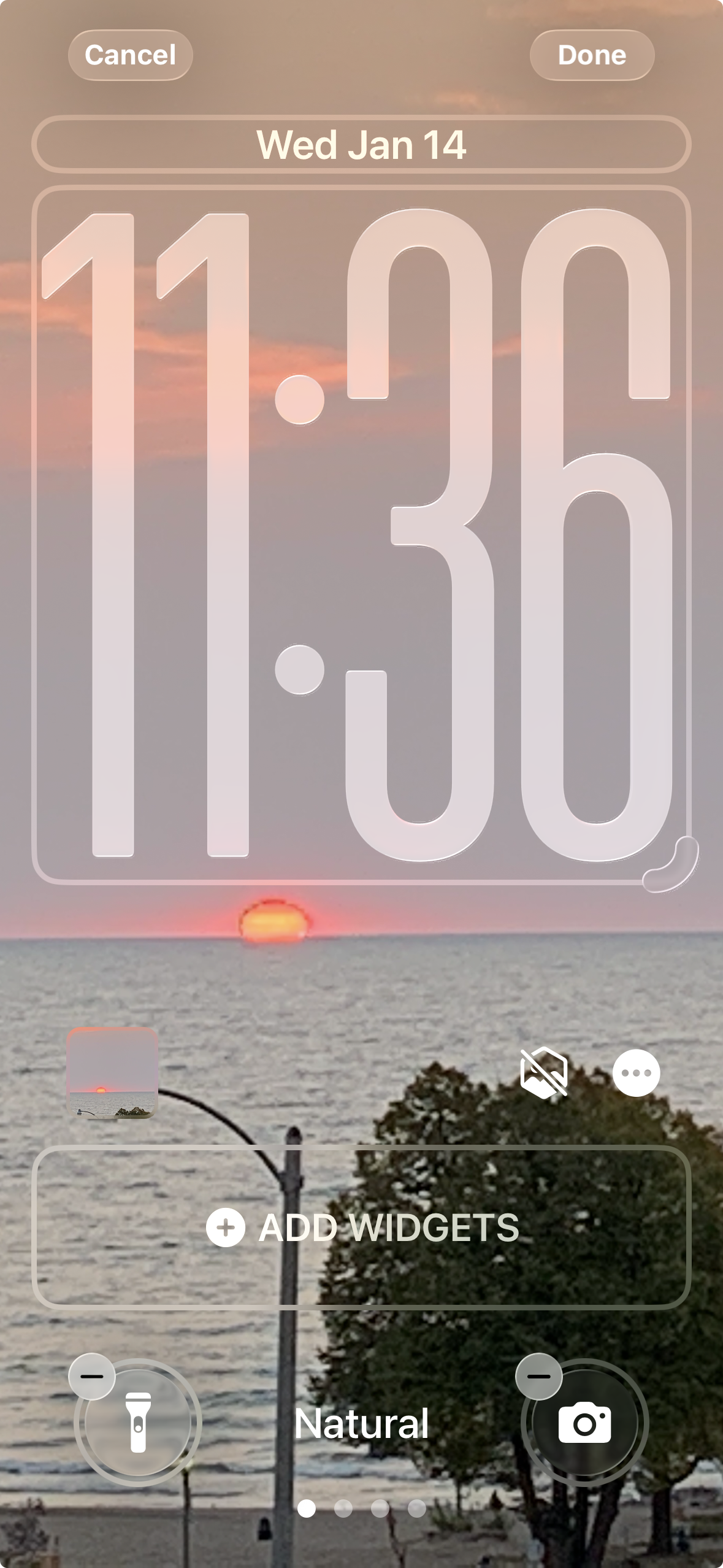
I received your message about updating my operating system and apps. Thanks so much for thinking of me.
But I’m good.
Really, I know that many of your colleagues at Apple are really pumped about the new “Liquid Glass” look and the way the day and time looms on my homescreen like a doomsday clock.
But, really, I’m good.
I am not a Luddite. I’m happy with my phone and the things I can do with it: check for traffic snarls, listen to audiobooks, take a nice photo. I’ve been doing these things for a while. I suppose there are folks always on the hunt for gizmos to help them live their “best lives”: Apps, Widgets, etc. I’m not really sure what a widget is, but it sounds like a medieval farm implement. So, yeah, I don’t need any widgets.

Tech Folks on the hunt for things we don’t need.
I know you’ve spent billions of dollars building new campuses and hiring the latest wunderkinds from MIT and Stanford. They’re probably very excited about all the wonderful new things my phone can do and are eager to discover more. I can almost hear them in their brainstorming hammocks and nooks, trading ideas over kombuchas after an intense yoga class down the hall. But, as I said, I’m good.
I suppose I was also good before some of the other earth-shattering “updates.” Now they’re in my “system” and I just don’t use them. I like writing and typing, so I don’t need you to complete my sentences for me. (I do that when I talk to my wife sometimes and she gets very upset.) When I go for a nice stroll around my neighborhood, I don’t need to know the number of steps I took. Or my maximum heart rate. Or whether I achieved my monthly Peak Relaxation Goal©.
So if you’re reading this, Bro, please, go talk to Tim or Sundar. Tell them I’m good and you don’t have to waste your time on more updates. Instead, maybe you and your FAANG friends can use your creative minds to tackle some of the world’s more serious problems. World hunger, disease, poverty. Is there an App for that yet? Well get back into your hammocks or pods and get crackin’!
Ball of Fire
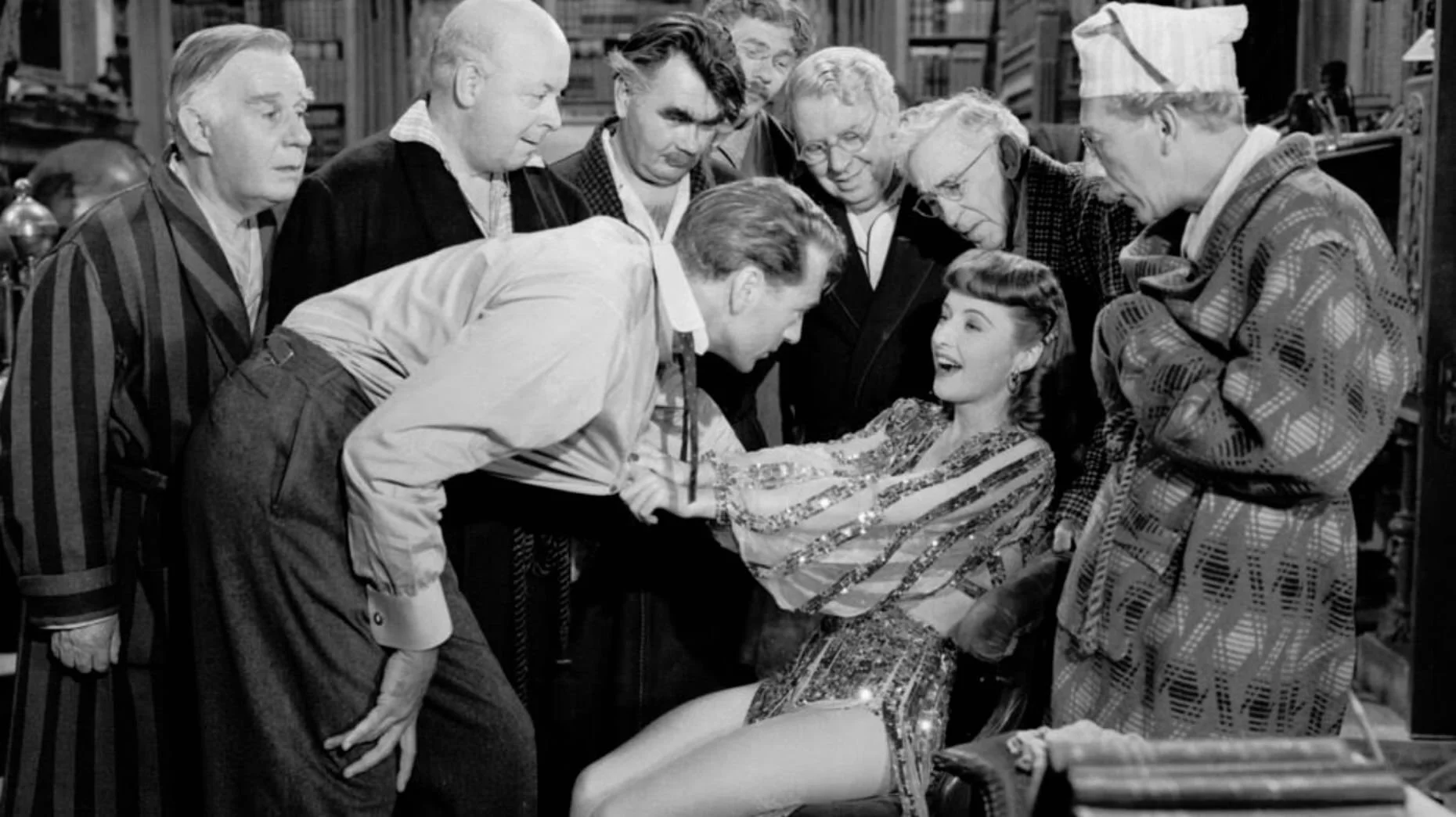
Gary Cooper, Barbara Stanwyck and friends in Ball of Fire.
It’s not typically among the “go-to” movies from Hollywood’s golden age of screwball comedies (think His Girl Friday, Bringing Up Baby, The Lady Eve, etc.). But there are untold pleasures in 1941’s Ball of Fire.
Gary Cooper is at his nebbishy best as Bertram Potts, the leader of an academic squad tasked with writing a new encyclopedia. (Not a few observers have likened them to the Seven Dwarfs). Potts is writing the entry on “Slang” and he takes to the streets, jotting down all manner of Manhattan street argot (1940s vintage) and even inviting some regular folks to share their verbiage in a sort of daily study group. Among them is Sugarpuss O’Shea (Barbara Stanwyck), a nightclub performer who hides out with the encylopediacs to keep away from the cops who want her to testify against her gangster beau. Directed with real zip by Howard Hawks, with a lot of help from screenwriter Billy Wilder, who was reportedly on set to make sure the dialogue crackled.
Indeed it does. Here’s an exchange between researcher Potts and the neighborhood sanitation worker, who stops by to inquire about some award money for filling out a questionnaire. He offers a nice lesson in the American vernacular.
I could use a bundle of scratch right now on account of I met me a mouse last week.
Mouse?
What a pair of gams. A little in, a little out, and a little more out.
I am still completely mystified.
Well, with this dish on me hands and them giving away 25 smackaroos on that quizzola.
Smackaroos?
A smackaroo is a...
No such word exists.
Oh, it don't, huh? A smackaroo is a dollar, pal.
Well, the accepted vulgarism for a dollar is a buck.
The accepted vulgarism for a smackaroo is a dollar. That goes for a banger, a fish, a buck, or a rug.
Well, what about the mouse?
The mouse is the dish. That's what I need the moolah for.
Moolah?
Yeah, the dough. We'll be stepping. Me and the smooch - I mean, the dish, I mean, the mouse. You know, hit the jiggles for a little drum boogie.
Please, please, not so fast.
Brother, we're going to have some hoytoytoy.
Hoytoytoy?
Yeah, and if you want that one explained, you go ask your papas.
There’s also plenty of good old chemistry between Potts and Sugarpuss, including this kiss, which should be famous if it isn’t already. Yum.
The Residence
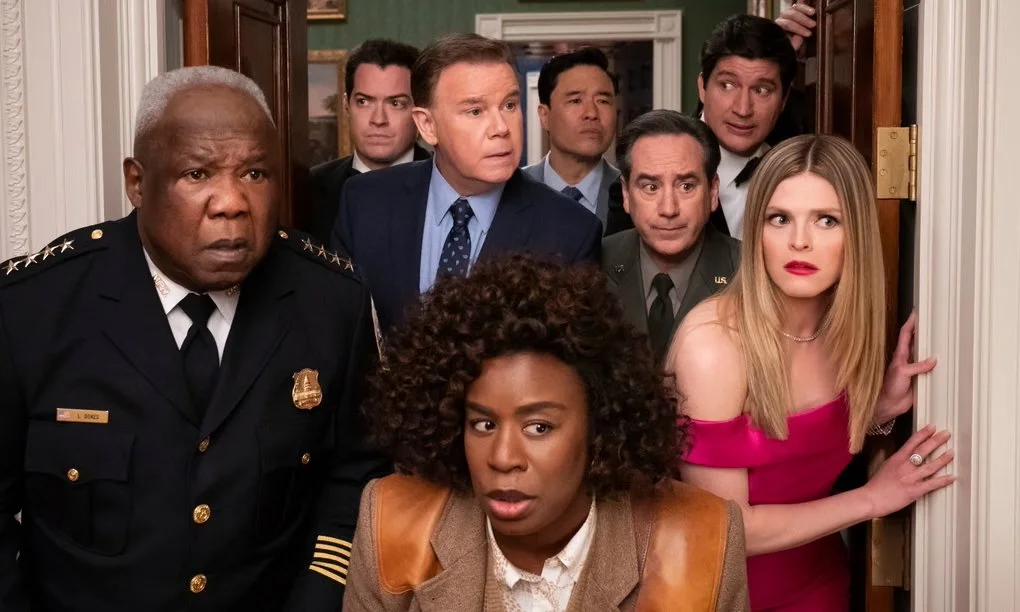
Isiah Whitlock, Jr., Uzo Aduba and friends in The Residence.
Rian Johnson is definitely onto something with his Knives Out franchise, which may soon make whodunnits as popular stateside as they are in Great Britain. The new Netflix series, The Residence, owes a lot to Johnson’s blend of the mysterious and the zany, and is given an extra boost via the inventive touch of showrunner Paul William Davies.
When the White House’s Chief Usher (head honcho of the staff, played with a cool Gus Fring vibe by Giancarlo Esposito) turns up dead during a state dinner, Cordelia Cupp (Uzo Aduba) is called in to investigate. Not quite as over the top as Knives Out’s Benoit Blanc, Cupp has quirks to burn, including a birdwatching habit that she indulges as suspects wait for her next interrogation.
But what really gives the show zing is writer-director Davies’s frenetic editing style, which jump cuts between past, present and future (a congressional hearing about the investigation) at a breakneck, hilarious pace that always keeps you guessing.
RIP Isiah Whitlock, Jr.
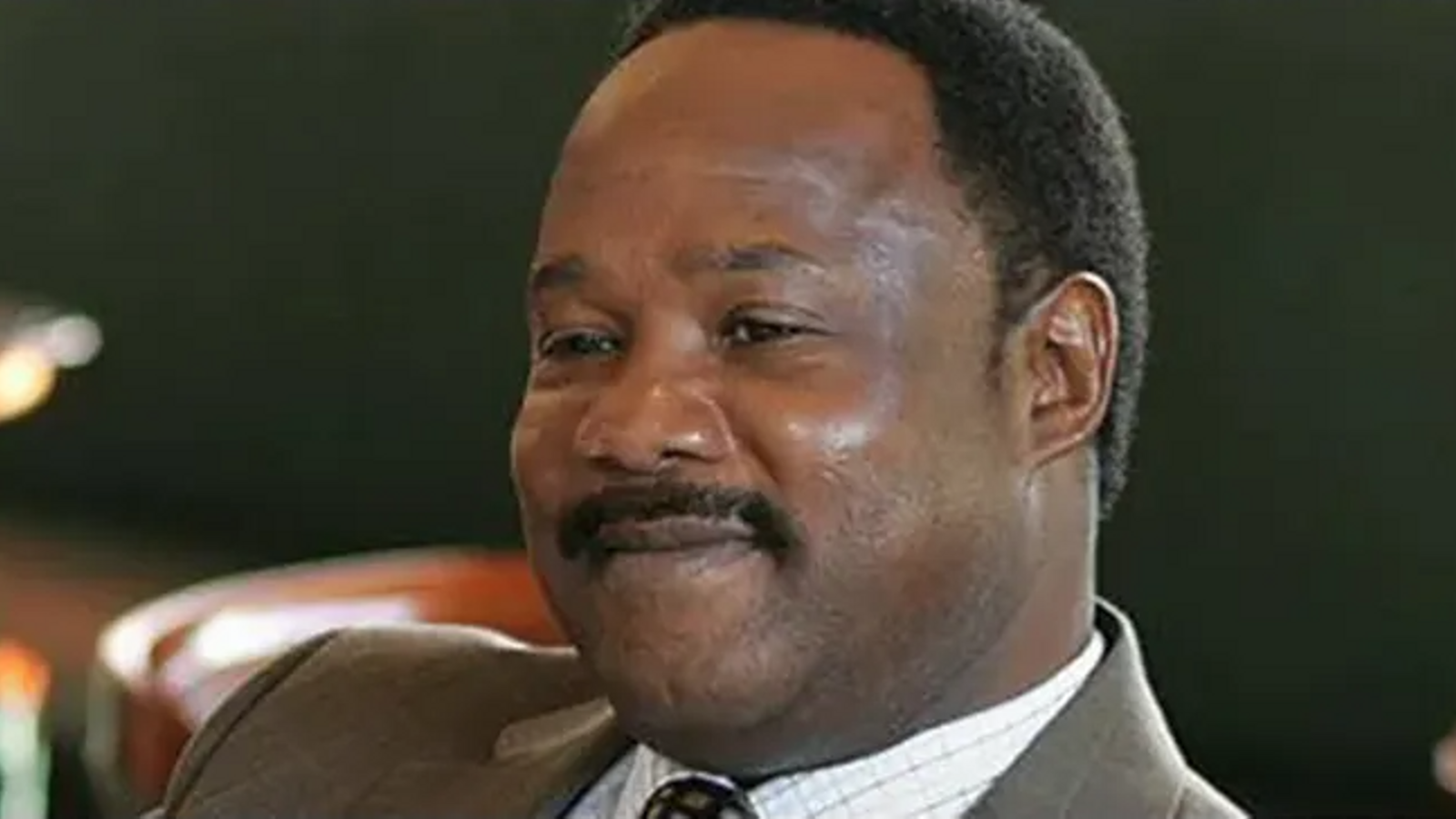
Isiah Whitlock, Jr. in The Wire.
There’s a poignant farewell amid the hijinks of The Residence. It’s a farewell of sorts for Isiah Whitlock, Jr., who died December 30. I first saw Whitlock almost 25 years ago in an Off-Broadway play—Four, by Christopher Shinn—in which he played a lonely, closeted English professor trying to make sense of his life. Since then, Whitlock has been a fixture in film and television, often playing larger-than-life cops or politicians. Most memorably, he played Clay Davis, a corrupt state senator that peppered several seasons of The Wire with his trademark, expletive: “Sheeee-ittt.”
Serene Scarlatti
While cruising through some recent classical releases, I happened on this recording of a keyboard sonata by Domenico Scarlatti. He was born in the same year as Bach and Handel (1685), but never quite made it to the classical pantheon. His sonatas (all 555 or them!) are known for their technical virtuosity, but this one (K. 466 in F Minor) stood out for it’s meditative almost minimalist quality, with a gentle six-note figure woven through the eight-minute piece. Here it’s beautifully played by Javier Perianes, recorded in the in the Real Alcázar of Seville.
Until next time.