It’s been a minute…
… as the kids say. Hello again. Various life events have kept me from my appointed rounds, but as the Broadway Baby says in Sondheim’s Follies, “I’m Still Here.” And I’m still seeing and hearing and thinking and trying to put those sights and sounds and thoughts into words. So here are a few things from the past few months I’ve been thinking about. Hope you’ve been seeing and hearing and thinking, too.
Annie Dillard
The slightly yellowing pages remind me that I bought it quite long ago--college years, perhaps?--but Annie Dillard's recent death persuaded me to finally pick up Pilgrim at Tinker Creek and read it. How could I have waited so long?
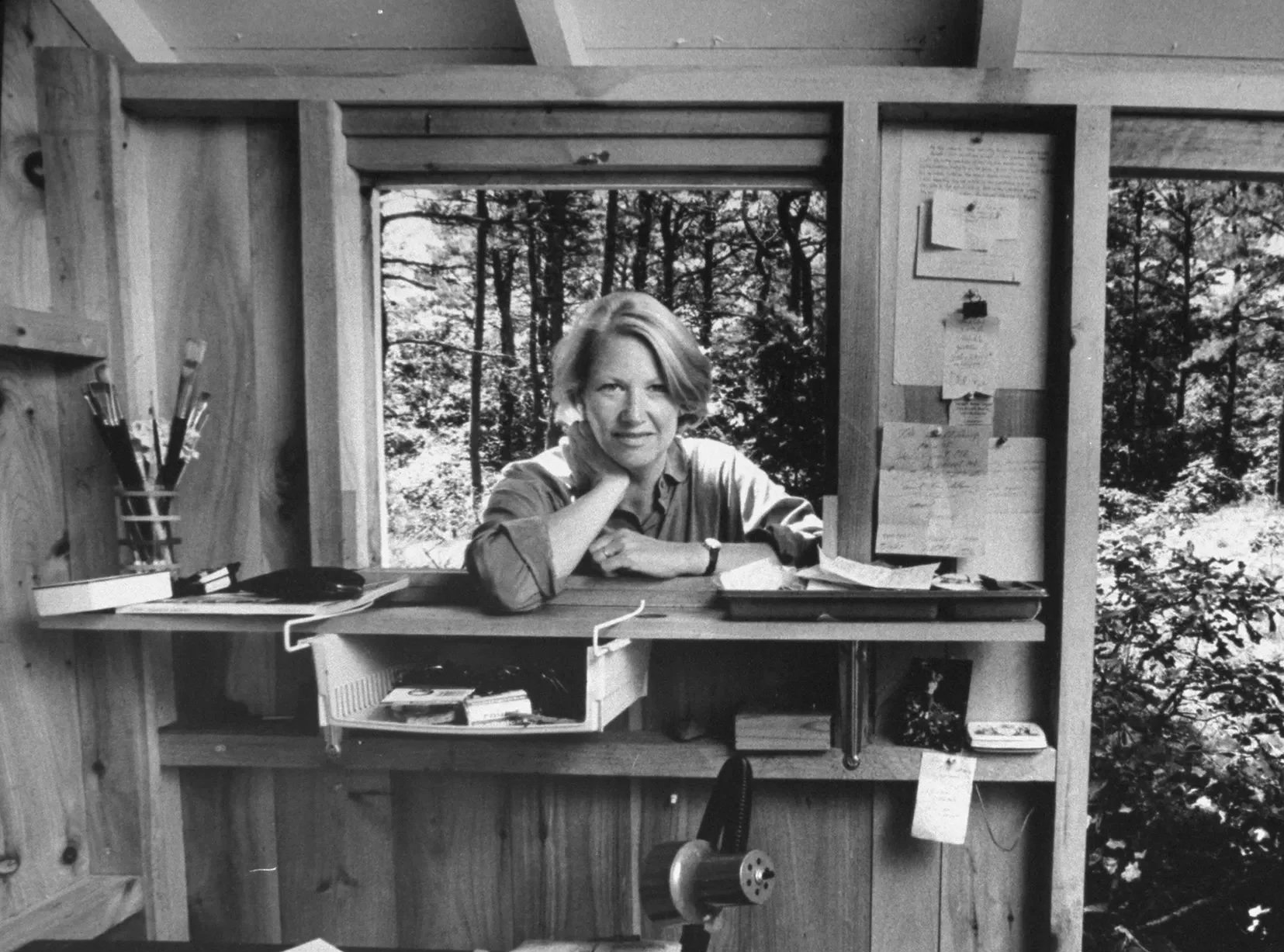
Annie Dillard
There are several of her books on my shelf. And I recall reading one cover-to-cover, For the Time Being. But that memory didn't prepare me for the prose that awaited me. Far from a bland "nature appreciation" book, which is what I expected, Dillard's essays explore the nature of seeing itself and the endless joys and insights it offers. "Like the bear who went over the mountain," she writes, "I went out to see what I could see." But her sight is hardly just a cursory glance. Observing the turn of swimming minnows that catch the light of the sun, she writes, "I saw the inner flashes, gleaming silver, like stars being born at random down a rolling scroll of time. Something broke and something opened. I filled up like a new wineskin. I breathed an air like light; I saw light like water." Finally, she announces, "When I see like this, I see truly."
In a tribute worthy of her spirit, Sam Anderson described her work this way:
But one of her major lessons, the bass note anchoring every chord she played, is simple. She was here to remind us that, if you really look hard, nothing is boring, nothing is normal — not mothers, fathers, bicycles, cities, beetles, weasels or rocks. She would fling her awareness out into the world like an extremely eccentric hawk, letting us marvel at its loops and dives before she called it back home.
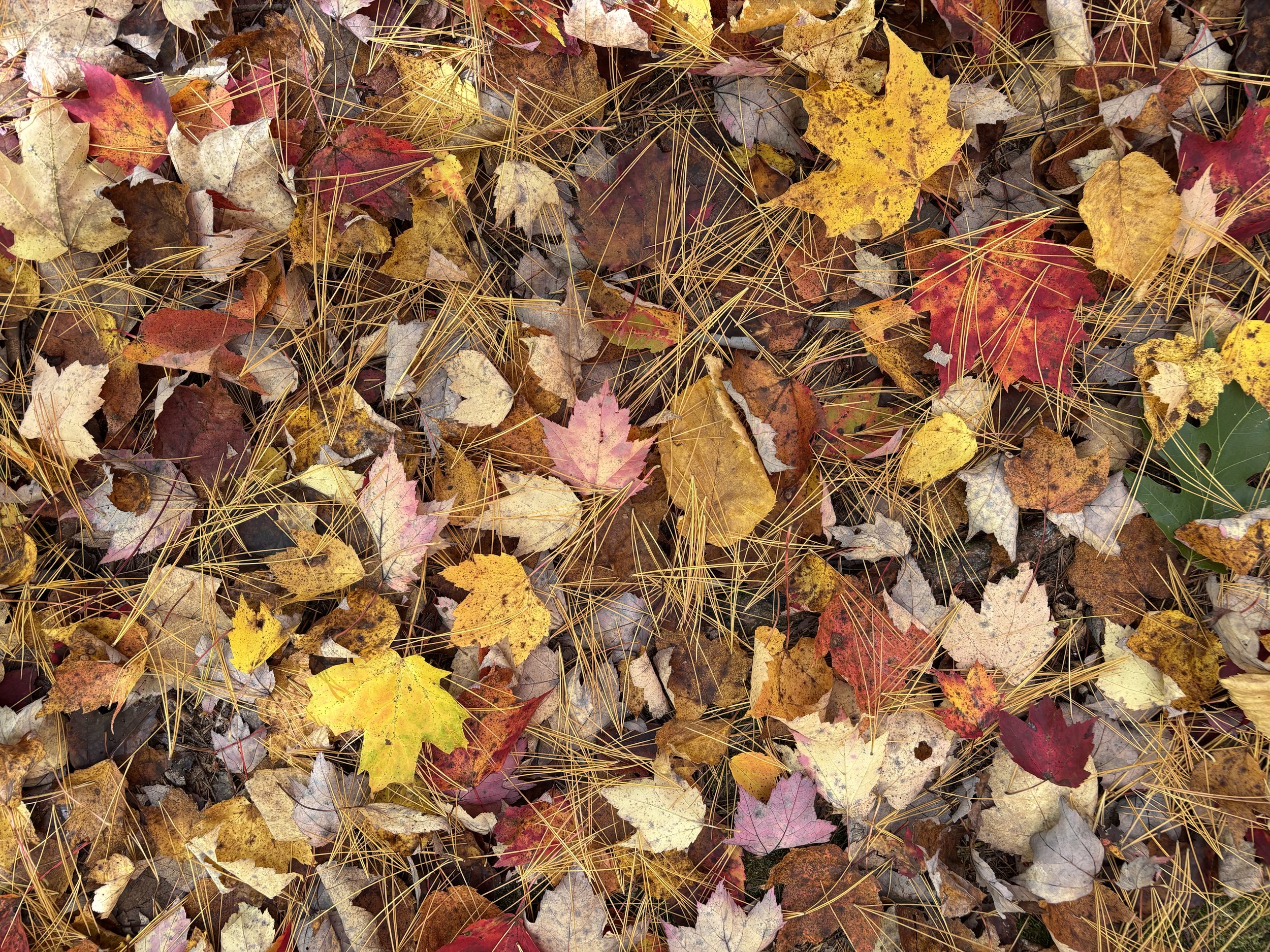
Some may find her writing all too ecstatic, almost psychedelic in its metaphors. But how else to wedge the breadth (and breath) of the world into the cool black-and-white of the printed page. Marvels are marvels, even if their impressions have been dulled by run-of-the-mill descriptions: “Nice sunset.” “Sure is hot out.” “Leaves are turning early this year.”
I have seen autumn. This year, I got to see it in the north woods. But walking the technicolor trails this year, I felt Dillard's vibrant spirit with me. Or perhaps it was her niggling, nagging ghost telling me, "Look at that! Wait...stop...see it! Don't you see it?"
Ruth Asawa
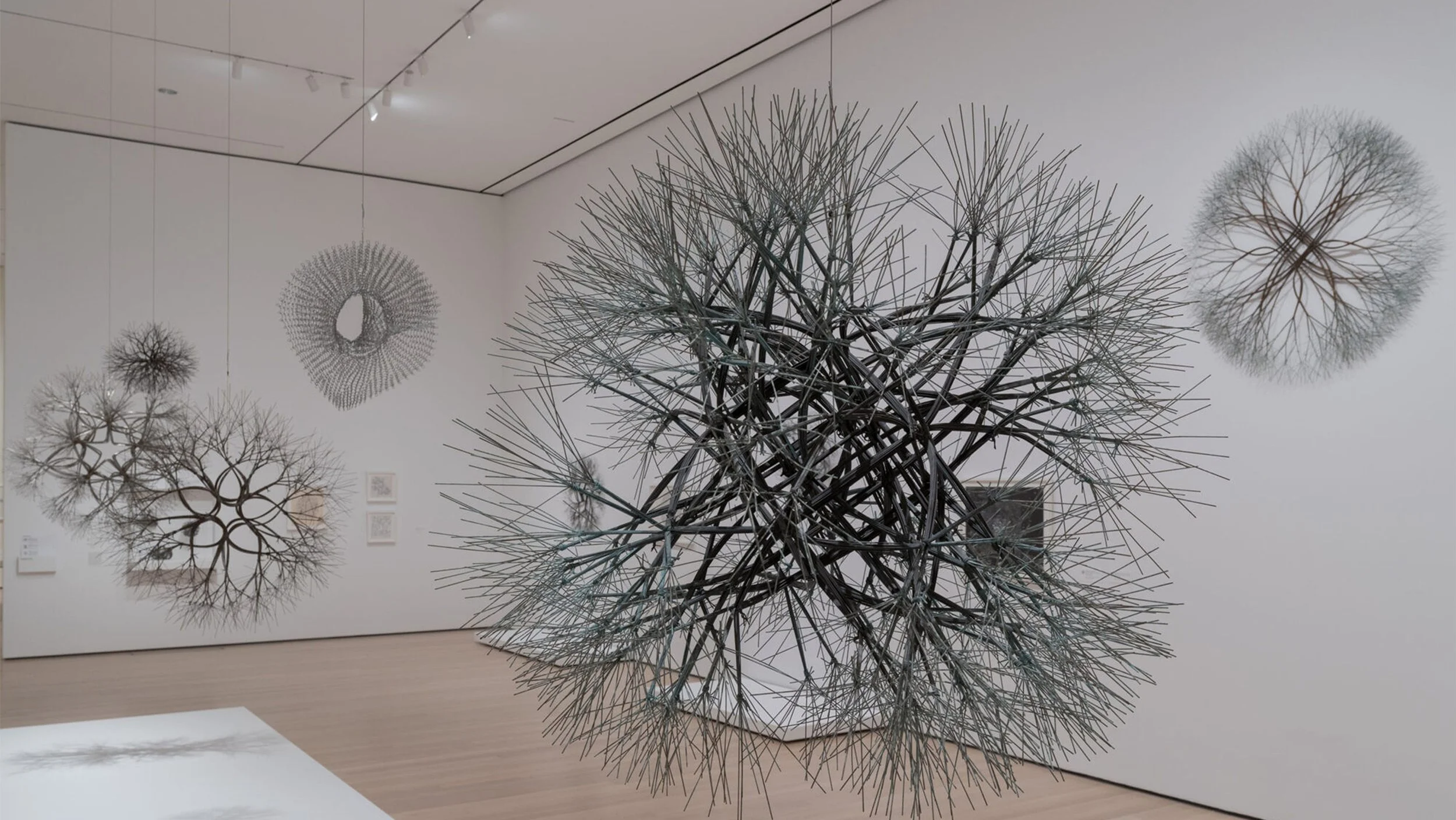
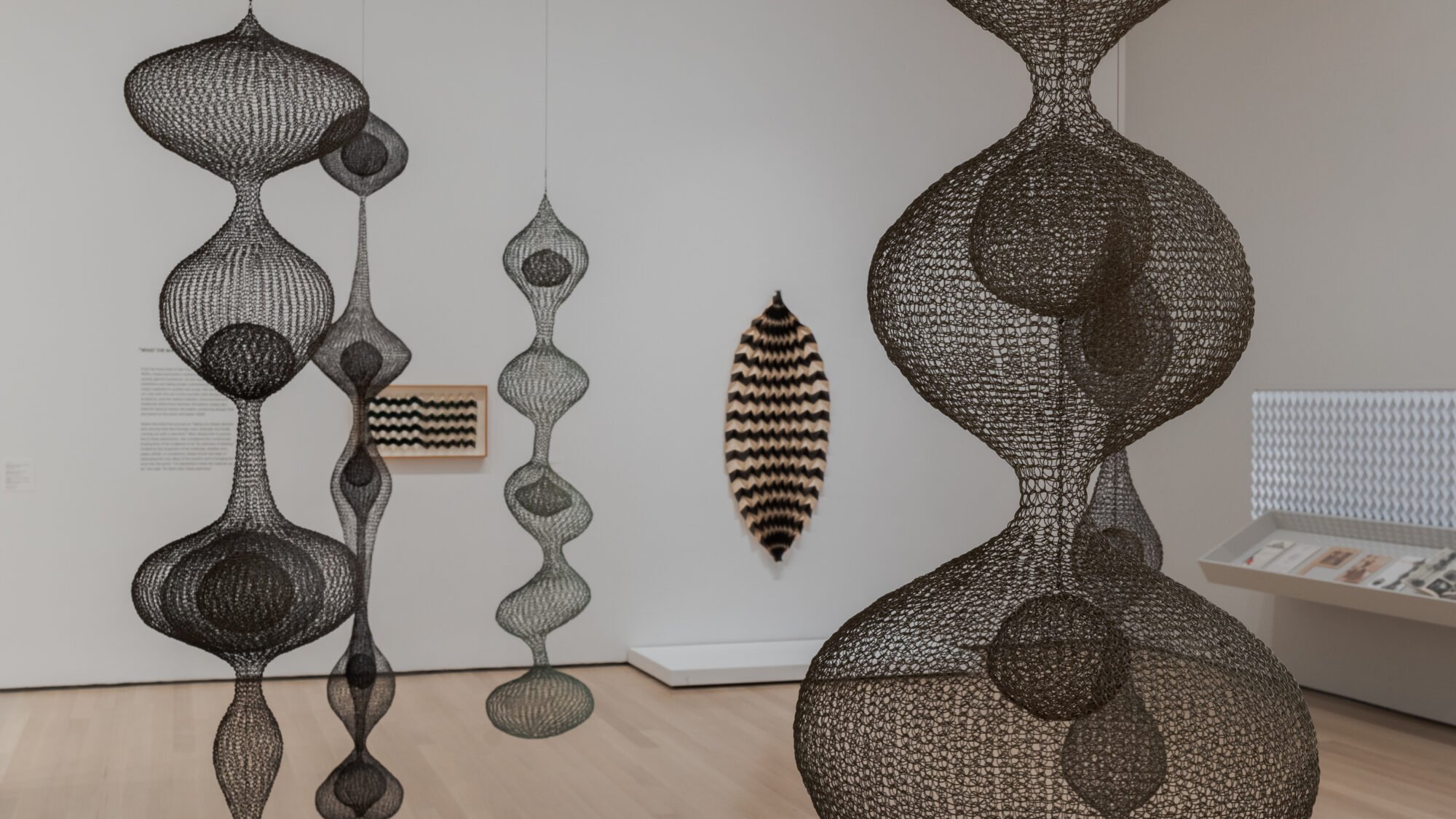
Garth Greenwell isn’t afraid to go big. While his acclaimed novels don’t aspire to Tolstoyan heights, his criticism isn’t afraid to spend several paragraphs parsing out thoughts about an opera or art exhibit. In February, he wrote about the work of Ruth Asawa, a west-coast artist known primarily for her hanging wire sculptures.
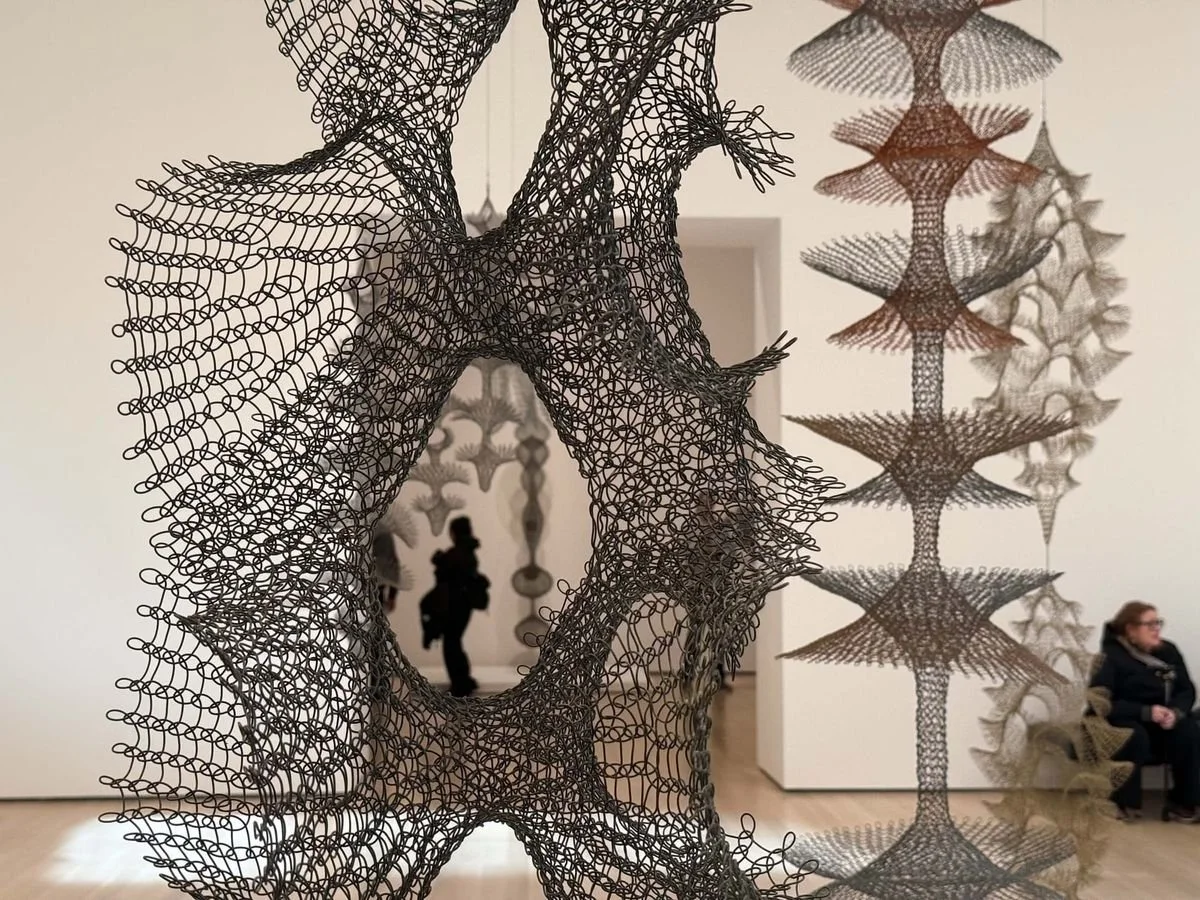
He starts with a simple quote from Wittgenstein: “How small a thought it takes to fill a whole life.” It speaks perfectly to the essence of Asawa’s sculptures, which build airy, biomorphic forms out of looped industrial wire.
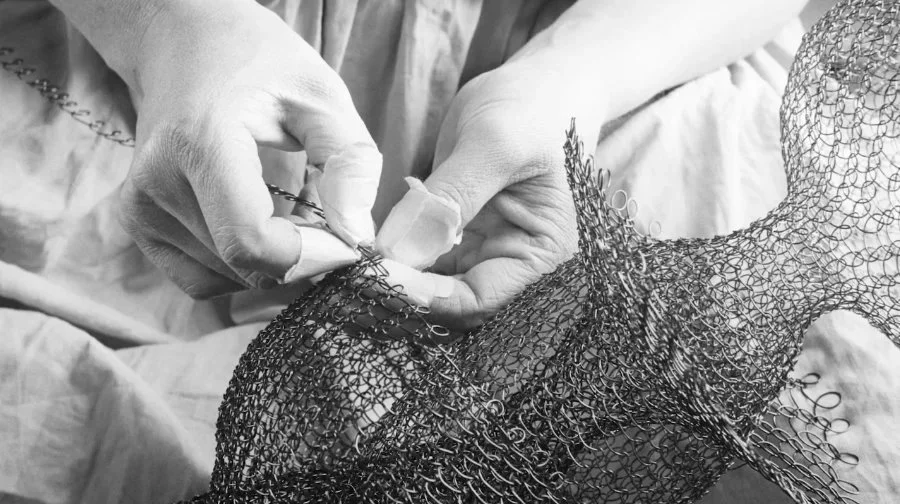
As Greenwell writes, Asawa adapted a technique she learned from Mexican women who made marketing baskets out of wire. As he writes, “She would keep making those loops for almost the rest of her creative life, more than fifty years, as long as her body would allow.”
Greenwell also connects this central idea to the minimalist composer Steve Reich, who builds shimmering musical edifices out of short, repeated motifs. (I’ll be at one of his 90th-birthday celebrations next week, so more on that to come.)
Walking through Asawa’s retrospective at the Museum of Modern Art last January, I saw how those tiny loops testified to a grand vision: a meditation on form and surface, interior and exterior, a magnificent whole broken into the tiniest of parts. The New York exhibit has closed, but any visit to San Francisco should include a visit to the de Young Museum, where many of her pieces are on permanent display.
For the Love of Sentences
Good writing keeps me going through tough times. A well-wrought pun or splash of snark can soften a wince-inducing news story, announcing, “There’s someone who thinks this is as absurd as I do.” So thank you, Frank Bruni, the New York Times columnist who tempers his weekly column with a collection of memorable quips and zingers from other writers around the country.
Here are some recent samples:

Frank Bruni
In The Atlantic, David A. Graham processed the addition of “Trump” to “Kennedy” in the moniker for Washington’s premier performing arts center: “He asks not what he can do for his country, but what his country can name for him.”
In The Contrarian, David Litt questioned characterizations of President Trump’s furious first days back in the White House: “One CBS article about his immigration crackdown said Trump ‘invoked muscular presidential powers,’ which is a bit like saying Jeffrey Dahmer ‘displayed omnivorous taste.’”
In The Atlantic, Will Oremus summarized the shortcomings of programs designed to flag the use of artificial intelligence in student papers: “Even otherwise accurate A.I. detectors such as Pangram can be easily fooled by ‘humanizer’ tools that introduce grammatical and stylistic quirks to evade detection. (Yes, this is dizzying: AI that makes your AI writing seem less AI, to escape other AI.)”
Jafar Pahani

Jafar Pahani
And yes, great art and storytelling can still fend off Trump terrors and AI anxiety. Despite media mega-mergers and the disquieting growth of so-called “microdramas,” there are still serious artists working in film. Jafar Pahani continues to make films critical of his native Iran, even though he has been arrested several times and spent time under house arrest (he secretly made two films while serving his sentence). In March, he appeared on The Daily Show and patiently and calmly (through a translator) described his commitment to his art:
"We only have two types of filmmakers in the world. 95 percent are after what the audience wants. They adapt their taste to the taste of the audience and they give the audience what it wants. I’m talking about everywhere around the world, not just in Iran. Another 5 percent say “this is how I look” and now it’s on the audience to come and find me... You will not allow anything to dictate you, to tell you what to make. And that’s when you will make the reality. And in fact, in that reality, everyone is a human being. There is no purely good or purely evil person. We only have dysfunctional systems, and it is that dysfunctional system that has divided people. This is a characteristic of a socially engaged cinema, a humanistic look at everybody. And to a future in which the cycle of violence comes to an end.”
Watching/Doing
Garrison Keillor.
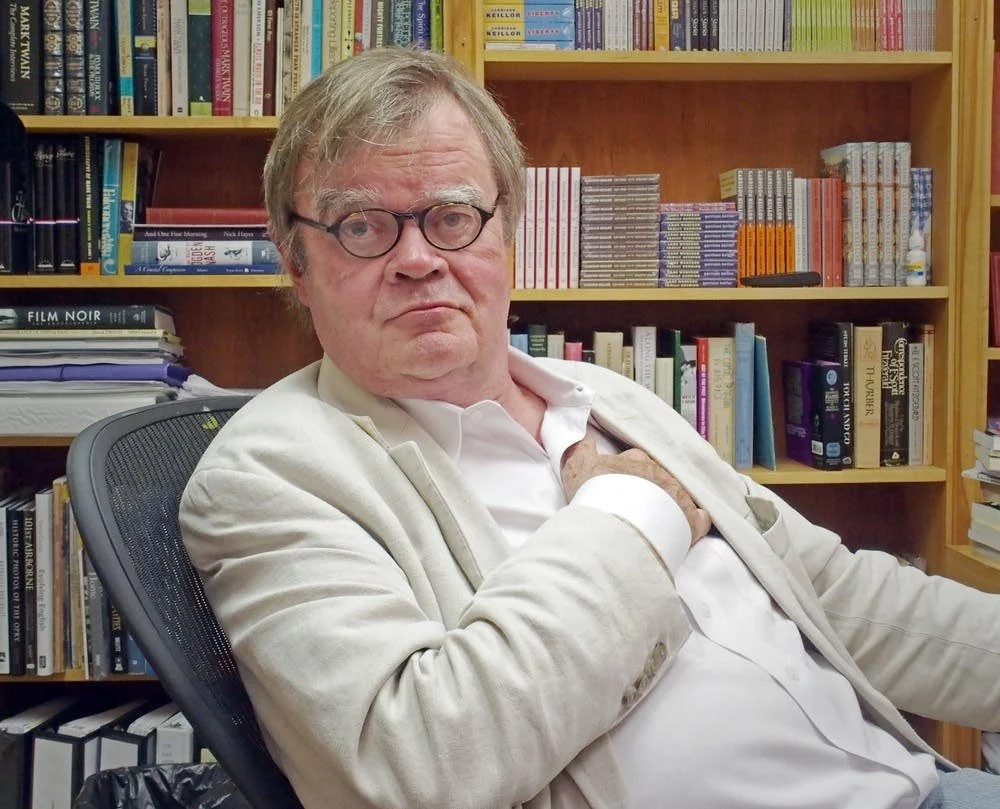
Oh, Garrison. I’ve sung along with your folksy baritone, listened rapt to your stories about that place where the children are all above average and charted my days by the Writer’s Almanac, which brings a bit of history to my morning coffee. I’ve supported you, I’ve treasured you, I’ve grown old with you. But recently, I think you got it wrong.
Yes, I said recently. Garrison Keillor is still writing. His Substack, “Garrison Keillor and Friends,” regularly chronicles his life on New York’s Upper West Side and his occasional appearances around the country. He’s by turns sentimental and cranky. On a recent post, he descried the amateur artist:
“Dare to live the life you have imagined”? This is the wisdom that encouraged people who could’ve been excellent janitors to become bold narcissists who created volumes of unreadable poetry and bales of photography similar to bales of other people’s photography, seascapes, sunrises, the sensitivity of shadows.”
As a proud dilettante, I disagree. As any poet/painter/actor/musician will tell you, the literary/artistic life is not for the faint of heart. Once it meant living in cold water flats and scrounging for food. Today, it also might mean enduring university department meetings, teaching ungrateful undergrads, selling yourself at donor cocktail parties or wading through scores of grant applications.
But a creative life need not be an all-or-nothing proposition. If the pollyanna prognosticators are right, we will all have more time on our hands in the glorious A.I. future (yes, I know they are probably wrong). Please let this lead to more amateur poetry and possibly trite folk songs rather than more Looksmaxing TikTok videos.
Have a great few weeks.
Secret Friend
Film
Consciousness
(Michael Pollan)